About Cedar Spirit Foundation
Indigenous-led. Built on Ancestral Wisdom. Accountable to seven generations.
Our story
Cedar Spirit Foundation was incorporated in Washington State on November 17, 2024, and received 501(c)(3) determination from the IRS on December 4, 2024. We were founded by Indigenous education leaders whose work in higher education revealed persistent gaps in funding and institutional support for Indigenous scholars.
Only 19% of Native American students obtain a bachelor’s degree or higher, compared to 41% of the general population. These disparities stem from historical trauma, systemic barriers, geographical isolation, financial constraints, and limited culturally responsive support systems within educational institutions. Cedar Spirit Foundation exists to address these gaps through direct funding, community partnerships, and institutional advocacy.
Mission
Cedar Spirit Foundation empowers Indigenous scholars by supporting access to educational pathways through scholarships, fellowships, and direct funding for scholars, faculty, and staff — while fostering institutional change to better serve Indigenous scholars. Our funding priorities are honoring Ancestral Wisdom, advancing community-centered research, preserving Indigenous languages, and revitalizing cultural practices.
Vision
We envision a future where Indigenous scholars thrive in educational environments with financial support; where Indigenous knowledge systems, protocols, and practices are centered within Indigenous languages; and where our investments strengthen Indigenous communities from the scholars of today to the seventh generation.
Our Guiding Values
Seven Generations Perspective
We honor our responsibility to past and future generations by making decisions that consider their long-term impact on Indigenous communities.
Community-Centered
Our initiatives are shaped through partnership and collaboration with Indigenous communities. We center community voices and needs in our funding and programming.
Indigenous Leadership
We amplify Indigenous perspectives, support Indigenous-led organizations, and keep Cedar Spirit Foundation led by and for Indigenous Peoples.
Cultural Integrity
We honor Ancestral Wisdom, protocols, and practices by centering Traditional Ecological Knowledge, Indigenous ways of knowing, and Indigenous languages.
Educational Excellence
We support the educational success and leadership development of Indigenous scholars and promote academic excellence that empowers Indigenous Peoples.
Relationship & Reciprocity
We build lasting partnerships rooted in mutual understanding and respect. We honor our commitments and practice regenerative responsibilities.
Our goals
- Support Indigenous scholars through scholarships, fellowships, and direct educational support.
- Support Indigenous faculty and staff who teach Indigenous scholars — through scholarships, fellowships, and direct support.
- Advance community-centered research that benefits Indigenous communities.
- Support programs and initiatives that preserve and revitalize Indigenous languages.
- Promote respectful relationships between scholars, educational institutions, and Indigenous communities.
Board of Directors
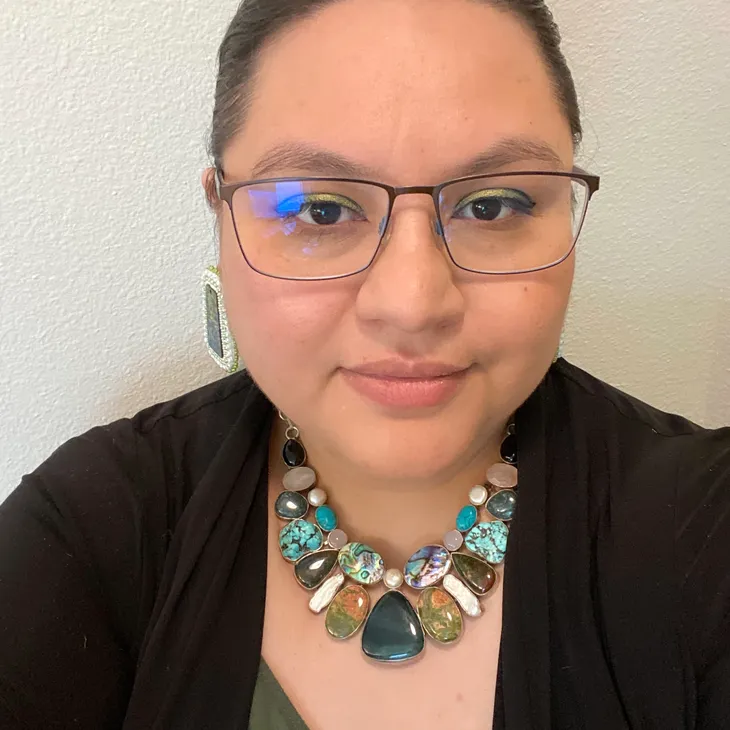
Jenny Serpa, MPA
Board Chair
Jenny Serpa is of Peruvian Quechua and American Scottish heritage. She holds a BA (2006) from the University of Washington and an MPA (2012) from The Evergreen State College. A specialist in Political Science, Legal History, and Research & Analytics, Jenny has taught and guest-lectured at universities including UW, Evergreen, Northwest Indian College, and St. Martin’s. For the past ten years, Jenny has worked with NWIC’s Extended Campus at the Nisqually Tribe while running Hawkheart Consulting LLC.
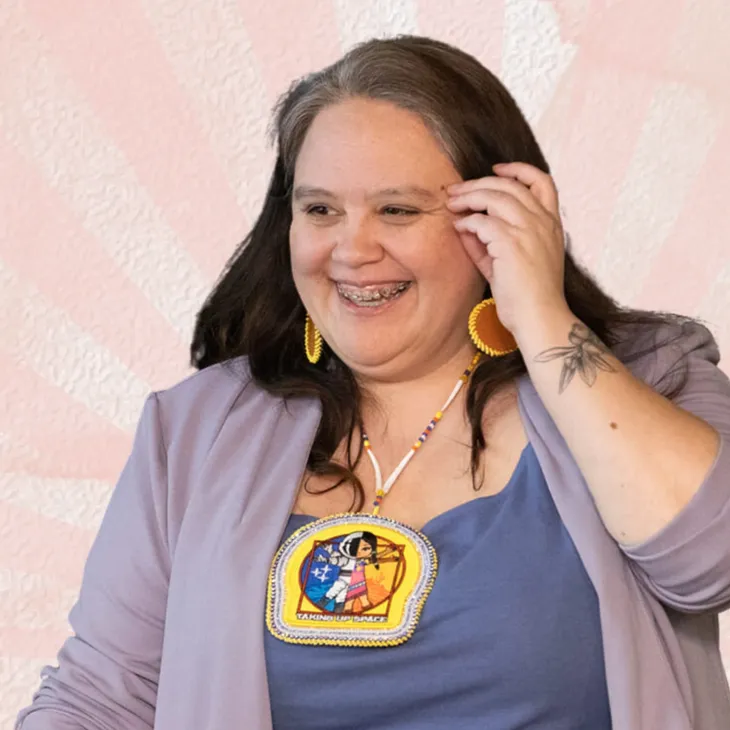
Alisa Smith-Woodruff
Secretary
Alisa Smith-Woodruff is an enrolled citizen of the Skokomish Tribe. She serves her community as an adjunct at Northwest Indian College’s Nisqually Campus. She holds a bachelor’s degree in Native Environmental Science and is pursuing a master’s in Environmental Sciences. Alisa finds solace in nature and traditional crafts like beading and weaving, and conducts research on the coexistence of coyotes and Cascade Red Foxes. She aims to pursue a PhD integrating traditional Indigenous practices with Western academia.
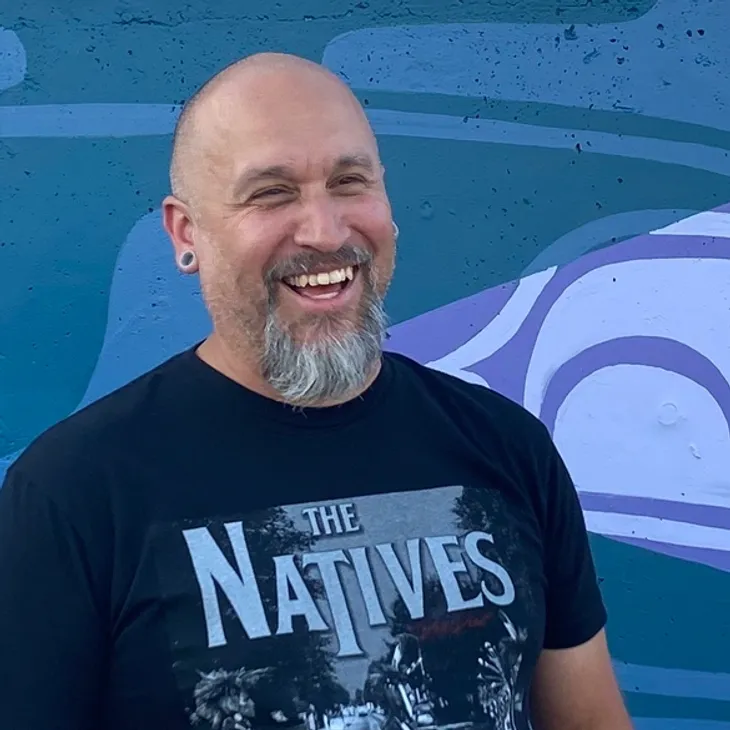
Justin Kaa Shaayi Ketah
Treasurer
Justin Kaa Shaayi Ketah is a Tlingit artist from Ketchikan, Alaska, specializing in Formline design — the traditional visual language of his ancestors. A 2024 graduate of Northwest Indian College with highest honors in Native Studies Leadership, his academic focus on Northwest Coast Design complements his artistic practice. As a two-time recipient of research grants from the Bill Holm Center at the Burke Museum, his work bridges traditional Tlingit aesthetics with contemporary expression.
Our partners
Chuckanut Health Foundation is Cedar Spirit Foundation’s fiscal sponsor and mentor. As a younger 501(c)(3), we partnered with CHF because their mentorship and compliance management — including banking, accounting, payroll, and operational support — come at an extremely fair price. Cedar Spirit Foundation holds its own IRS 501(c)(3) determination and EIN.
Our scholarships follow the recipient, not the institution. Cedar Spirit Foundation supports Indigenous scholars wherever they choose to pursue higher education. Several of our board members have deep ties to Northwest Indian College, a Tribal college serving the Pacific Northwest, but the foundation itself does not represent or speak for any single institution.
Organizational details
- EIN: 33-2005800
- 501(c)(3) effective: November 17, 2024 (determination December 4, 2024)
- Public charity status: 170(b)(1)(A)(vi)
- NAICS: 813211 — Educational grantmaking foundation